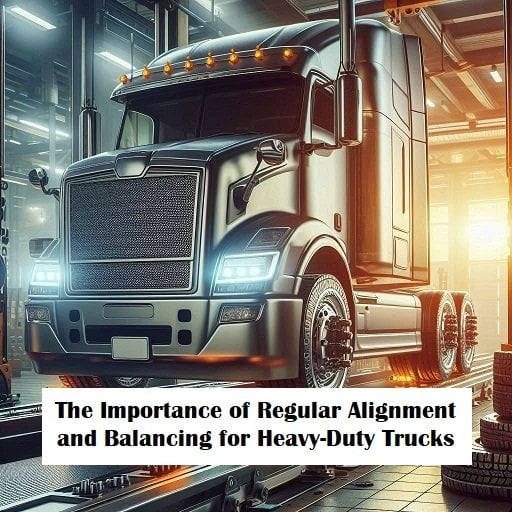
Heavy-duty trucks are the backbone of the transportation industry, tasked with carrying significant loads over long distances. To ensure optimal performance, safety, and longevity, regular alignment and balancing are essential maintenance practices that truck operators must prioritize. Neglecting these services can lead to a host of issues that not only affect vehicle performance but also compromise safety and increase operating costs. In this blog, we will explore the importance of regular alignment and balancing for heavy-duty trucks and the benefits these practices provide.
Understanding Alignment and Balancing
Before diving into the importance of these practices, it’s essential to understand what alignment and balancing entail:
- Wheel Alignment: This process involves adjusting the angles of the wheels to ensure they are perpendicular to the ground and parallel to each other. Proper alignment helps distribute the vehicle’s weight evenly across all tires.
- Wheel Balancing: Balancing involves equalizing the weight distribution of each wheel and tire assembly. This ensures that the tires rotate smoothly, minimizing vibration and uneven wear.
Enhanced Tire Life
One of the most significant benefits of regular alignment and balancing is the extended lifespan of tires:
- Even Tire Wear: Proper alignment ensures that tires make optimal contact with the road, leading to even wear. Misalignment can cause tires to wear unevenly, resulting in premature replacement.
- Improved Traction: Well-balanced tires maintain better contact with the road surface, enhancing traction. This is particularly important for heavy-duty trucks, which often carry significant loads and require optimal grip.
Improved Fuel Efficiency
Fuel costs represent a significant portion of operating expenses for heavy-duty trucks. Regular alignment and balancing can contribute to improved fuel efficiency:
- Reduced Rolling Resistance: Properly aligned and balanced tires reduce rolling resistance, allowing the engine to operate more efficiently. This can lead to lower fuel consumption and reduced overall operating costs.
- Enhanced Handling: When tires are aligned and balanced, the truck handles better, which can reduce the need for frequent acceleration and braking, further improving fuel efficiency.
Increased Safety
Safety is paramount in the transportation industry, and regular alignment and balancing play a crucial role in ensuring safe operation:
- Better Handling and Stability: Properly aligned wheels contribute to better steering response and stability, making it easier for drivers to maintain control, especially in adverse weather conditions.
- Reduced Risk of Accidents: Misaligned or unbalanced tires can lead to instability and poor handling, increasing the risk of accidents. Regular maintenance helps mitigate these risks, promoting safer driving conditions.
Enhanced Suspension Performance
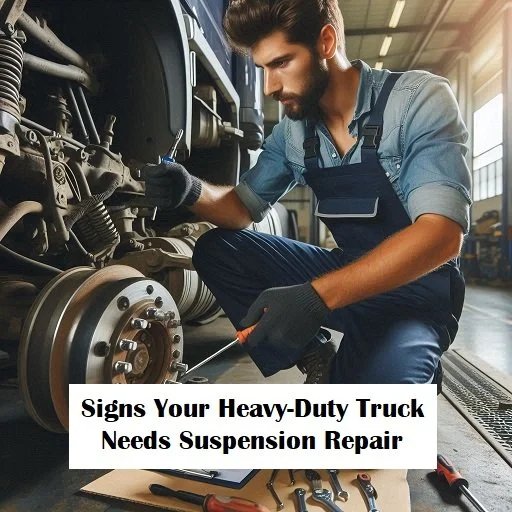
The alignment and balancing of heavy-duty trucks also impact the suspension system:
- Reduced Strain on Components: Misalignment can cause undue stress on suspension components, leading to accelerated wear and potential failure. Regular alignment helps preserve the integrity of the suspension system.
- Improved Ride Quality: Proper alignment and balancing contribute to a smoother ride, reducing vibrations and shocks that can affect both the driver’s comfort and the truck’s overall performance.
Cost Savings in Maintenance and Repairs
Investing in regular alignment and balancing can lead to significant cost savings in the long run:
- Lower Repair Costs: By preventing uneven tire wear and excessive strain on suspension components, regular maintenance reduces the likelihood of costly repairs and replacements.
- Increased Productivity: Fewer breakdowns and maintenance issues mean less downtime, allowing trucks to stay on the road and maintain productivity.
Recommendations for Regular Maintenance
To reap the benefits of alignment and balancing, heavy-duty truck operators should consider the following recommendations:
- Schedule Regular Inspections: Have alignment and balancing checked during routine maintenance or when new tires are installed.
- Monitor Tire Wear: Keep an eye on tire wear patterns. If you notice uneven wear, it may be time for an alignment check.
- Address Suspension Issues Promptly: If you experience handling issues or notice changes in ride quality, have the suspension and alignment checked immediately.
Critical Maintenance Practices
Regular alignment and balancing are critical maintenance practices for heavy-duty trucks that significantly impact safety, performance, and cost-efficiency. By ensuring that wheels are properly aligned and balanced, truck operators can enhance tire life, improve fuel efficiency, and promote safer driving conditions. Investing in these essential services not only protects your vehicle but also contributes to the overall success and profitability of your operations. Prioritizing alignment and balancing as part of your maintenance routine will help keep your heavy-duty trucks on the road, performing at their best, and ready to tackle any challenge